
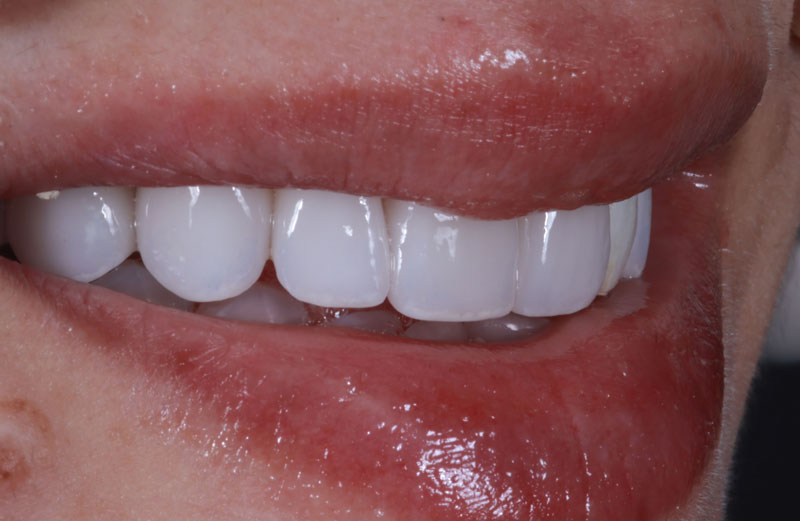
Key Takeaways
- Veneers can sometimes be used with an overbite, but they do not replace proper bite correction—yes, you can often get veneers with a mild to moderate overbite, but no, veneers alone usually cannot fix a significant overbite.
- Orthodontic treatment using braces or clear aligners is typically needed to correct the underlying bite, while veneers mainly improve colour, shape, and symmetry.
- In select adult cases, veneers and other restorations can camouflage or slightly rebalance a bite, but careful planning is essential to avoid veneer chipping.
- The best approach is often a combined treatment plan: first align the bite with orthodontics, then use veneers to perfect the smile aesthetics.
- Heavy grinding, deep bites, or jaw pain usually indicate that functional correction should come before any cosmetic work.
What Are Veneers and How Do They Relate to an Overbite?
Dental veneers are custom-made thin shells of porcelain or composite resin that bond to the front surface of teeth, typically measuring 0.3–0.7 mm thick. They’re designed to transform the visible part of your smile by changing tooth colour, size, length, and apparent alignment.
Here’s the critical distinction: veneers do not move the roots of your teeth or alter your jaw position. They sit firmly in the “cosmetic zone” of treatment, refining what you see when you smile rather than correcting the skeletal bite relationship underneath.
When a cosmetic dentist plans veneers for someone with an overbite, the existing bite must be carefully considered. The veneers need to be shaped so that upper teeth and lower teeth still close safely without creating excessive contact points that could lead to cracking or premature wear.
Modern dental practices often use digital smile design software or physical wax mock-ups to visualise exactly how veneers will interact with your current overbite. This planning stage happens before any enamel is touched, giving both you and your dentist a clear preview of the final result.
Benefits of Veneers for Patients with an Overbite
While veneers do not usually achieve overbite correction on their own, they can significantly improve how an overbite smile looks. The cosmetic benefits are substantial for the right candidates.
Veneers offer solutions for:
- Discolouration that whitening can’t address
- Chipped or worn edges caused by years of overbite contact
- Small gaps between front teeth
- Irregularly shaped teeth that create an uneven smile line
For someone with a slight overbite, veneers can make short bottom teeth appear slightly taller or refine the shape of upper front teeth to make the teeth overlap appear less pronounced in photos. The result is often a more balanced, confident smile.
Porcelain veneers are stain-resistant and, with good care, can last 10–15 years or more—even in patients with a mild overbite. Consider a patient in their 30s with a minor overbite who completed orthodontics years ago but still has chipped, uneven front teeth from past trauma. For them, veneers provide the final polish that braces alone couldn’t deliver.
Limitations and Risks of Veneers with an Overbite
Veneers do not move teeth or bone. They cannot fix a severe overbite on their own, and attempting to use them this way can create serious problems.
In deep overbites—where upper teeth cover more than about one half of lower teeth—veneers face elevated risks:
- Chipping and cracking from excessive bite forces
- Debonding when lower teeth repeatedly strike veneer edges
- Accelerated wear that shortens lifespan significantly
The veneer process requires removing a thin layer of enamel from the tooth surface to make room for the shell. This is permanent and irreversible. If you later decide orthodontics would have been better, your options become more limited because that enamel is gone.
Heavy clenching, teeth grinding, or a very strong bite can dramatically shorten veneer lifespan in overbite cases. Many patients in this situation require custom night guards to protect their investment.
A practical comparison:
| Scenario | Veneer Suitability |
|---|---|
| Mild overbite + stable bite forces | Usually suitable for veneers |
| Severe overbite + jaw pain or TMJ issues | Typically needs orthodontics or surgery first |
What Exactly Is an Overbite?
Understanding overbites is essential before making any cosmetic decisions. An overbite occurs when there’s vertical overlap of the upper front teeth over the lower front teeth when your jaws are closed—essentially, how much your top teeth cover your bottom teeth when you bite down. In cases of a pronounced overbite, the upper front teeth significantly overlap the lower front teeth, which can impact both function and aesthetics.
A normal overbite is when the upper incisors cover roughly one-third of the lower incisor height, approximately 2–4 mm in adults. This amount of overlap is considered healthy and functional.
The distinction between overbite and overjet often causes confusion:
- Overbite (vertical): How far down the upper teeth drop over the lower teeth
- Overjet (horizontal): How far forward the upper teeth protrude past the lower teeth
Someone might have significant overjet (upper teeth protrude forward) with minimal vertical overbite, or vice versa. Both conditions affect veneer planning differently.
Overbite can be dental (related to tooth position within normal jaws) or skeletal (related to the actual jaw position). Skeletal issues often require orthodontic procedures or sometimes surgery to correct properly.
When left untreated, pronounced overbites may cause:
- Tooth wear on lower incisors from repeated contact
- Gum trauma behind upper front teeth where lower teeth strike
- Jaw discomfort and TMJ problems over time
Common Causes of Overbite
An overbite occurs through a combination of genetics and environmental factors, often developing early in life.
Genetic factors play a major role. Jaw size and shape discrepancies—such as a naturally small lower jaw or a protrusive upper jaw—run in families and establish the foundation for bite relationships.
Childhood habits significantly influence overbite development:
- Thumb sucking beyond age 3–4
- Prolonged pacifier use
- Extended bottle-feeding that pushes upper teeth forward
- Tongue thrusting habits
In teens and adults, habits like teeth grinding (bruxism), nail biting, and pen-chewing can worsen existing overbite patterns. Even the early loss of baby teeth or significant crowding can alter eruption paths and aggravate the bite over time. Missing teeth that aren’t replaced can also shift the bite relationship.
Why Overbites Matter for Veneer Planning
The severity and root cause of your overbite directly determine whether veneers are feasible, safe, and likely to last.
Deep overbites create a specific mechanical problem: the lower incisors may strike the back of new upper veneers with every bite. This repeated trauma leads to cracks, chips, or complete debonding—sometimes within months of placement.
When the overbite is skeletal and severe, veneers alone often just “mask” the underlying problem. Without addressing the bite issues through orthodontics or jaw surgery, the veneers may fail prematurely. One specialist practice has noted that using porcelain veneers to “treat” an overbite often deepens the overbite, reduces lower facial height, and can contribute to jaw pain.
During your consultation, expect your dentist to check your overbite using:
- Side-view photographs
- Bite records (impressions of how your teeth meet)
- Possibly digital scans of your full dental arch
The good news? Mild overbites with stable contacts can absolutely be compatible with veneers when the dentist adjusts thickness and length carefully during the design phase.
Can You Get Veneers If You Have an Overbite?
The direct answer: yes, many patients with a mild or moderate, well-controlled overbite can safely have veneers, provided the bite is carefully assessed first.
For significant overbites, most cosmetic dentists recommend correcting or at least improving the bite through orthodontic treatment before placing any veneers. This sequencing protects both your investment and your oral health.
Before approving a veneer plan, your dentist will evaluate:
- Enamel thickness remaining on your teeth
- Existing restorations (fillings, crowns)
- Gum health and bone support
- Jaw joint comfort and TMJ symptoms
Patients with active jaw pain, heavy grinding habits, or very deep bites are typically advised to treat the underlying functional issue first. Proceeding with veneers in these situations often leads to early failure and expensive retreatment.
Two patient comparison:
Patient A has a slight overbite with stable bite forces and no grinding habit. Their main concerns are tooth colour and minor chips. Result: Veneers placed successfully with expected 10+ year lifespan.
Patient B has a severe overbite where top teeth significantly cover lower teeth, plus morning jaw stiffness. Result: 18 months of clear aligners to reduce the overbite, then conservative veneers that require less enamel removal and face far less stress. In some severe overbite cases, tooth extraction may be recommended as part of a comprehensive treatment plan, often in conjunction with orthodontics or surgery, to optimize bite function and aesthetics.
When Veneers Alone May Be Reasonable
A conservative veneer-only plan is sometimes acceptable for adults who decline orthodontics and have specific bite characteristics that support this approach.
Suitable scenarios include:
- Mild overbite with minimal teeth overlap
- No significant crowding of the front teeth
- Stable jaw joints without clicking or pain
- Primarily cosmetic concerns: staining, chips, or irregularly shaped teeth
- No evidence of difficulty biting or chewing
In these cases, small vertical changes—such as slightly lengthening lower teeth or reshaping upper incisors—can reduce the visual impact of the overbite without moving roots. The appearance improves even though the underlying alignment stays the same.
Many dentists recommend a protective night guard after veneer placement for these patients. The guard acts as insurance against nighttime clenching that could stress the veneers.
It’s essential to understand this is a compromise solution. You’re addressing appearance more than underlying skeletal alignment. Veneers offer a cosmetic enhancement, not a structural correction.
When Orthodontics or Surgery Should Come First
In moderate-to-severe overbite cases, veneers work best as a “finishing touch” after proper bite correction rather than a standalone treatment.
Indications that orthodontics should come first:
- Upper teeth covering more than half of lower front teeth
- Lower incisors hitting the palatal tissue (roof of mouth) behind upper teeth
- Visible jaw discrepancy from the side profile
- Self consciousness about the way teeth meet, not just how they look
- Any TMJ symptoms or jaw pain
Clear aligners (like Invisalign) or traditional braces can gradually reduce a deep vertical overbite over 12–24 months, depending on case complexity. The treatment works by intruding upper incisors, extruding back teeth, or repositioning the entire arch.
Some skeletal overbites—particularly those caused by a very small or retrusive lower jaw—may require orthognathic surgery combined with braces in late teens or adults. This surgical approach repositions the jawbone itself.
Once the bite is corrected and stable, veneers can be placed much more conservatively. Properly aligned teeth require less reshaping, meaning more of your natural enamel stays intact under the veneers. These restorations also typically last longer because they face normal, distributed bite forces rather than concentrated stress.
Veneers vs. Overbite Treatment: How Do They Compare?
Veneers and orthodontic overbite treatments serve fundamentally different purposes. Veneers change how teeth look. Braces, aligners, or surgery change how teeth and jaws actually fit together.
The best treatment approach depends on what’s really bothering you:
- If your main issue is function and jaw health: Start with orthodontics to achieve correct alignment
- If function is stable and appearance bothers you: Veneers may be appropriate on their own
- If you want the best of both: Combine functional correction first, then veneers to refine aesthetics
Many adults end up choosing this combined strategy, recognising that it delivers a radiant smile built on a stable functional foundation.
Cosmetic Improvements from Veneers
Veneers are among the fastest ways to makeover the visible part of the smile for adults with an overbite. While braces may take 12–24 months, veneers can transform your smile in just 2–3 appointments over several weeks.
Specific cosmetic outcomes veneers deliver:
- Uniform tooth colour that matches perfectly across the smile
- Closed small gaps between front teeth
- Straight-looking front teeth without full orthodontics
- Repaired worn edges from past overbite trauma
- Improved tooth shape and proportions
Veneers can make the upper front teeth appear slightly shorter or less protrusive, which visually softens the overbite in photos and conversation. They can also be placed on lower front teeth that have been flattened by years of overbite contact, restoring normal tooth height and creating balance.
For cosmetic issues alone, few treatments match the dramatic, immediate results that quality porcelain veneers provide.
Functional Corrections from Orthodontics
Braces and clear aligners directly address how upper and lower teeth meet, distributing forces more evenly across your entire bite rather than concentrating stress on a few contact points.
Reducing an excessive overbite helps prevent:
- Chipping of lower incisors
- Gum trauma behind upper teeth
- Abnormal tooth wear patterns
- Difficulty biting certain foods
Beyond protection, properly aligned teeth are easier to clean. This lowers the risk of cavities and gum disease around previously crowded or overlapping areas.
Successful overbite correction can also lessen strain on jaw joints and facial muscles. Some patients report improvement in headaches, jaw fatigue, and overall oral well being after treatment.
Functional correction takes longer than a veneer makeover—typically months rather than weeks. However, it offers permanent structural benefits. Once your bite is corrected and maintained with retainers, you’ve addressed the root cause rather than covering it up.
Combining Orthodontics and Veneers for Best Results
Many high-end smile makeovers use both orthodontics and veneers in sequence for predictable, long-term outcomes. This approach treats the dental condition thoroughly before adding cosmetic polish.
Typical combined treatment timeline:
- Months 1–18: Orthodontic treatment (braces or clear aligners) to fix the overbite
- Months 18–20: Retention phase while teeth stabilise in new positions
- Months 20–22: Veneer planning, preparation, and final placement
Aligning teeth first often allows the dentist to be much more conservative with tooth preparation. Instead of aggressively reshaping misaligned teeth to make them appear straight, properly aligned teeth may only need minimal enamel removal for colour or minor shape correction.
Example case: A 40-year-old professional presents with a moderate deep overbite and significant tooth discolouration. The right treatment plan involves 14 months of clear aligners to reduce the overbite and align the arches. After a retention period, six upper veneers are placed to address the colour and create ideal proportions. The veneers need minimal preparation because the teeth are already in excellent position.
This combined approach delivers both goals: stable bite function and ideal tooth colour, shape, and symmetry in the smile zone.
Special Considerations for Adult Patients with Overbite Considering Veneers
Many people over 30 seek veneers because they want faster cosmetic changes than braces can provide. However, adult cases often involve more complexity than younger patients.
Adults frequently present with:
- Previous fillings, root canals, or old crowns
- Decades of wear from an uncorrected overbite
- Lifestyle factors like clenching, stress-related grinding, or smoking
- Higher expectations for immediate results
These factors all influence veneer suitability and expected longevity in overbite cases. Adults should think in terms of long-term oral health, not just a quick fix, when choosing between veneers-only and comprehensive bite correction.
The decisions you make now affect your smile—and your dental expenses—for the next 10–20 years.
Appearance, Confidence, and Treatment Visibility
Many adults avoid metal braces for social or professional reasons. The visibility of traditional orthodontics feels incompatible with client-facing roles, public speaking, or simply their personal image.
Clear aligners offer a nearly invisible alternative treatment for reducing an overbite. Most people won’t notice you’re wearing them, and they can be removed for important meetings or photos. When combined with later veneer treatment, aligners provide a discreet path to the best aesthetic outcome.
Veneers produce immediate visible change in 2–3 visits, typically over several weeks. This timeline appeals to adults preparing for weddings, career milestones, or other significant events.
However, it’s important to balance the desire for a fast result with the need for a healthy, comfortable bite that will last years. A quick cosmetic fix that chips or debonds within two years isn’t actually quick—it’s expensive and frustrating.
Realistic example: A business executive in their 40s has a moderate overbite and stained teeth. They choose 12 months of clear aligners (worn primarily at night for the final months), followed by eight porcelain veneers. Total timeline: about 15 months. The result is a radiant smile that’s built to last because it’s supported by proper alignment.
Oral Health Status and Veneer Candidacy
Gums, bone support, and tooth health must all be stable before any veneer work—especially in an overbite case where forces on the front teeth are already elevated.
Factors that may delay veneer treatment:
- Active gum disease requiring treatment first
- Untreated cavities or decay
- Cracked teeth from heavy overbite trauma
- Unresolved TMJ pain or clicking
- Significant periodontal bone loss
Before veneer planning, expect X-rays and a full periodontal exam to ensure teeth under the overbite are healthy enough for bonding. The enamel needs adequate thickness, and the supporting structures need to be sound.
In some cases, crowns or onlays may be more appropriate than veneers. If overbite damage has removed too much natural tooth structure, a veneer simply won’t have enough surface area to bond reliably. Your dentist will discuss alternative treatments if this applies to you.
No cosmetic plan should proceed until basic dental health and bite stability are under control. Rushing into veneers with underlying problems guarantees poor outcomes.
Costs and Long-Term Value
Both veneers and overbite correction involve significant investment. Smart decisions consider 10–20 year outcomes, not just upfront costs.
General cost considerations:
| Treatment | Typical Pricing Structure |
|---|---|
| Porcelain veneers | Priced per tooth |
| Composite resin veneers | Lower cost per tooth, shorter lifespan |
| Clear aligners | Priced per case/full treatment |
| Traditional braces | Priced per case/full treatment |
Veneers may need replacement after 10–15 years. In patients with a strong overbite or bruxism habit, that timeline can shrink to 7–10 years, adding considerably to lifetime cost.
Orthodontic overbite correction, once stable and well-maintained with retainers, can reduce the need for future repairs of chipped or worn teeth. You’re addressing the root cause of the damage, not just covering it cosmetically.
The most cost-effective long-term approach for many patients: view functional correction as a health investment and veneers as a cosmetic enhancement layered on top of that foundation. Book a consultation today with both an orthodontist and cosmetic dentist to get the full picture.
What to Expect If You Choose Veneers with an Overbite
The veneer process for overbite patients follows similar stages to standard veneers, but requires extra focus on bite testing throughout. Your dentist will spend additional time ensuring the veneers can handle the forces your bite generates.
Treatment typically takes several weeks from initial consultation to final bonding. The timeline includes planning, trial smile testing, tooth preparation, and follow-up adjustments.
Good communication about expectations is crucial before any enamel is reshaped. You need a clear understanding of what veneers can and cannot do for your overbite. Ask questions, view mock-ups, and make sure you’re comfortable before committing.
Post-treatment reviews help ensure veneers aren’t being overloaded by the overbite and allow for timely bite refinements if needed.
Step-by-Step Veneer Process for Overbite Cases
The main stages:
- Initial consultation and photos: Your dentist examines your teeth, takes detailed photographs, and discusses your unique smile goals.
- Full exam and scans: X-rays, bite records, and possibly digital 3D scans capture your current tooth positions and how your bite meets.
- Mock-up or digital design: A wax model or digital simulation shows how veneers will look and function with your overbite.
- Tooth preparation: A thin layer of enamel is removed from the front surface of selected teeth to make room for the veneers.
- Temporary veneers: Provisional veneers cover teeth while your final porcelain veneers are crafted in a dental lab.
- Final veneer fitting and bonding: Permanent veneers are tried in, adjusted, and permanently bonded.
During planning, the dentist carefully checks how your lower teeth will contact the designed veneers using articulating paper (which marks contact points) and sometimes digital bite simulators.
The temporary veneer phase is especially important for overbite patients. Your dentist monitors closely for “heavy spots” that cause discomfort or show early chipping. These temporary weeks serve as a real-world test.
Final veneers are adjusted in tiny increments until bite contacts are balanced and the overbite doesn’t create excessive force on any single veneer. Expect appointments to run slightly longer than standard cosmetic cases because of these extra occlusal checks.
Aftercare, Maintenance, and Protecting Your Veneers
Long-term success of veneers in overbite patients depends heavily on daily habits and professional follow-up. Your veneers can last well over a decade—but only with proper care.
Daily maintenance essentials:
- Brush twice daily with non-abrasive toothpaste
- Floss daily, especially around veneer margins
- Attend 6-month professional cleanings
Many overbite patients receive a custom night guard to protect veneers from grinding. This is especially common when the front teeth bear more force than average due to the bite relationship.
Habits to avoid:
- Biting hard objects like ice, pens, or fingernails
- Using front teeth to tear packaging
- Eating very hard foods (nuts, crusty bread) by biting directly with veneered teeth
Any new clicking, pain, or sudden chipping should trigger a prompt dental visit. These may signal overbite-related stress on your veneers that needs immediate attention before more damage occurs.
Think of maintenance as protecting an investment. A few simple precautions extend your results by years.
FAQs About Veneers and Overbite
Can veneers actually fix my overbite, or will it still be there underneath?
Veneers do not move teeth or jaws—they mainly change appearance and can slightly modify functional contacts. The underlying skeletal or dental overbite remains even if it looks less noticeable from the front. Veneers can fix cosmetic concerns and slightly mask the overlap visually, but for true correction that changes how your bite functions, orthodontics or surgery is required.
Is it better to get braces or aligners before veneers if I have a deep overbite?
In deep or severe overbite cases, most dentists and orthodontists recommend correcting the bite first. This makes it easier to place conservative veneers that preserve more enamel, face less stress, and last significantly longer. The combined approach—orthodontics first, then veneers—typically delivers superior long-term results.
Will veneers make my overbite look worse if they add thickness to my front teeth?
Proper veneer design accounts for this concern. Dentists remove a thin layer of enamel first to create space for the veneer shell, which typically maintains or even slightly reduces forward bulk. When planned carefully with bite analysis, veneers should not worsen the visual overbite and can sometimes make it appear less pronounced.
How long do veneers last for someone with an overbite?
With a mild to moderate overbite, good oral hygiene, and a protective night guard, porcelain veneers often last 10–15 years or more. Deep overbites, heavy grinding, or neglected maintenance can shorten this timeframe and increase the likelihood of repairs or early replacement.
What should I ask my dentist at the consultation?
Come prepared with specific questions to get the most from your appointment:
- “Is my overbite mild, moderate, or severe?”
- “Do you recommend orthodontic treatment before veneers in my case?”
- “How will you test my bite on the veneers during planning?”
- “What are the long-term risks and maintenance needs for me specifically?”
- “Can I see mock-ups or digital simulations before committing?”
These questions help ensure you understand both the possibilities and limitations before making a decision about your treatment plan.